
Your First Few Weeks on the Market Matter
Pricing, presentation and early buyer feedback can shape your entire sale. Here’s why the first few weeks matter most.
Why the First Few Weeks Matter When Selling Your Home
The first few weeks on the market often bring the most attention. Here’s how pricing, presentation and early feedback can affect your sale.
When a property first comes to the market, it benefits from being new.
It appears in buyers’ latest searches, reaches people who already have alerts set up and gives your agent a reason to contact anyone looking for something similar.
This usually makes the first few weeks the best opportunity to attract viewings and offers. Getting the launch right matters because that initial interest is difficult to recreate later.
Starting with the right asking price
It can be tempting to start higher and leave room to negotiate. Sometimes that works, but in the current market it can also mean missing buyers who are searching within a lower price bracket.
For example, a property launched just above a major Rightmove price band may not appear in the searches of buyers whose maximum budget sits below it.
Rightmove’s latest research also found a significant difference between properties that sell without reducing and those that need a later price change. Homes sold without a reduction took an average of 36 days to find a buyer, compared with 127 days for those that were reduced.
That doesn’t mean pricing below the property’s value. It means choosing a figure that reflects the competition, recent sales and current buyer demand.
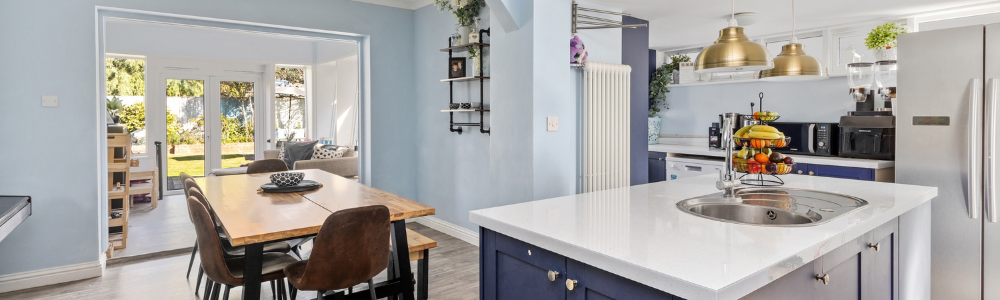
Presentation needs to be ready from day one
Photography, floor plans, video and property descriptions shouldn’t be treated as details to improve later.
Buyers will form an opinion within seconds of seeing a property online. If the main photograph is weak, the rooms look cluttered or the description gives them little useful information, many will move on without arranging a viewing.
The property itself also needs to be ready. Small jobs, cleaning, garden maintenance and removing unnecessary furniture can all make a difference. You don’t need to completely redecorate, but buyers should feel that the home has been properly prepared for sale.
Use early feedback properly
The first few weeks provide useful evidence.
If a property is receiving plenty of online interest but few viewing requests, the price or presentation may be holding it back. If viewings are taking place but nobody is offering, there may be a gap between the online marketing and how the property feels in person.
Feedback needs to be honest and considered alongside the wider pattern. One buyer disliking a kitchen isn’t necessarily a reason to react.
Several buyers raising the same concern shouldn’t be ignored.
Different areas require different strategies
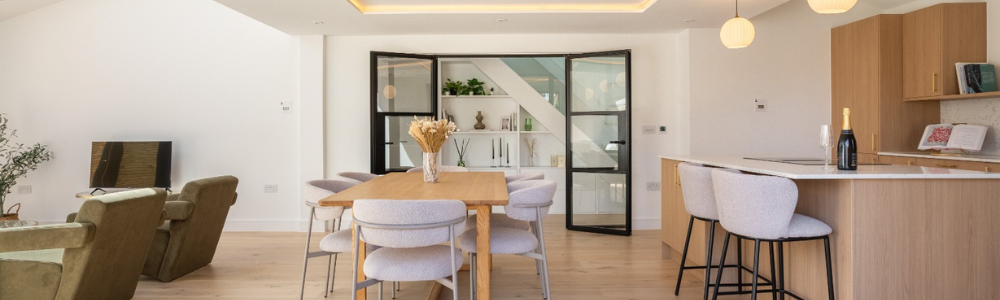
The market isn’t the same across Sussex.
Demand for a family home in Shoreham may be different from demand for an apartment in Brighton & Hove or a period property in Lewes. Even within the same town, activity can vary depending on the road, school catchment, condition and price range.
That’s why a broad regional average can only tell part of the story. The launch strategy needs to be based on what is actually competing with your property locally.
Can a slow start be recovered?
Yes, but it becomes harder.
A change of price, improved photography or a refreshed marketing approach can generate new interest. However, buyers can see how long a property has been available and may question why it hasn’t sold.
The better approach is to prepare properly, agree a realistic strategy and launch strongly from the outset.
If you’re considering selling in Shoreham, Brighton & Hove, Lewes or elsewhere in Sussex, speak to your local Oakley team. We’ll give you an honest view of the market and explain how we would position your property from day one.